


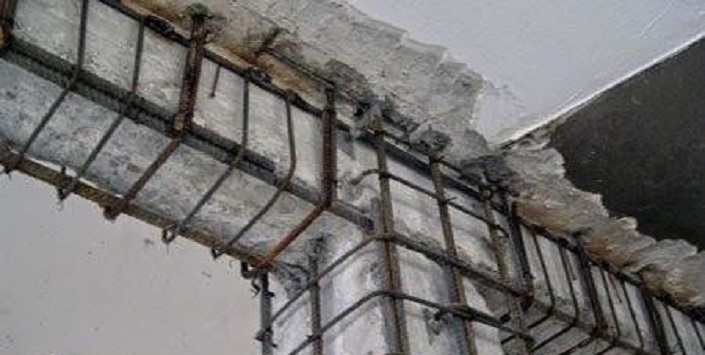
1. Purpose
The purpose of this method statement is to define the procedure for safe cutting, demolition, modification, and recasting of reinforced concrete strap beams in accordance with approved structural drawings, consultant instructions, project specifications, and applicable construction standards.
This procedure ensures that all structural alteration works are executed safely without affecting the integrity and stability of adjacent structural elements.
The method statement also establishes quality control requirements, inspection procedures, safety precautions, and responsibilities for all personnel involved in the cutting and recasting activities.
This method statement shall be implemented under the direct supervision of qualified civil engineers and structural personnel.
2. Scope of Work
This method statement covers all activities related to:
- Identification and marking of existing strap beams
- Structural assessment and approval
- Temporary support arrangements
- Concrete cutting works
- Chipping and demolition activities
- Removal of damaged concrete
- Reinforcement preparation and fixing
- Formwork installation
- Concrete recasting works
- Curing and protection
- Inspection and quality control
- Final structural reinstatement
The procedure applies to strap beam modification works in residential, commercial, industrial, and infrastructure projects.
3. Definitions
Strap Beam: A strap beam is a reinforced concrete beam connecting isolated footings or columns to distribute loads and reduce eccentricity in foundation systems.
Recasting: Recasting refers to the reconstruction of an existing structural member after partial or complete removal of damaged or modified concrete sections.
4. Reference Documents
The following documents shall be referred to before commencement of work:
- Approved structural drawings
- Approved method statement
- Project specifications
- Structural engineer’s modification details
- Approved concrete mix design
- Inspection and Test Plan (ITP)
- Risk Assessment (RA)
- Permit to Work (PTW)
- ACI standards
- BS EN concrete standards
- Local authority regulations
All works shall comply with consultant and structural engineer requirements.
5. Roles and Responsibilities
Project Manager
The Project Manager shall:
- Ensure all approvals are obtained before commencement
- Coordinate with consultant and structural engineer
- Arrange manpower, materials, and equipment
- Ensure compliance with quality and safety requirements
Site Engineer
The Site Engineer shall:
- Verify site conditions
- Supervise cutting and recasting works
- Coordinate inspections
- Ensure approved drawings are followed
QA/QC Engineer
The QA/QC Engineer shall:
- Verify material approvals
- Conduct inspections
- Monitor workmanship quality
- Maintain quality records and reports
Safety Officer
The Safety Officer shall:
- Conduct toolbox talks
- Monitor safe work practices
- Ensure PPE compliance
- Verify implementation of risk controls
Structural Engineer
The Structural Engineer shall:
- Review existing structural condition
- Approve cutting methodology
- Verify reinforcement detailing
- Approve recasting sequence
6. Materials Required
The following approved materials shall be used:
- Ready mix concrete
- Reinforcement steel bars
- Chemical anchoring adhesive
- Epoxy bonding agent
- Non-shrink grout
- Formwork plywood
- Timber supports
- Steel props and scaffolding
- Binding wire
- Cover blocks
- Water curing materials
All materials shall be approved prior to use.
7. Tools and Equipment
Necessary tools and equipment shall include:
- Concrete cutter machine
- Core cutting machine
- Jack hammer
- Chipping hammer
- Grinder machine
- Rebar cutting machine
- Rebar bending machine
- Drilling machine
- Scaffolding system
- Mobile crane where required
- Concrete vibrator
- Surveying equipment
- Measuring tape
- Hand tools
Equipment shall be inspected and certified before use.
8. Health, Safety and Environmental Requirements
All activities shall comply with project HSE requirements.
Safety Precautions
Before commencement of work:
- Approved Permit to Work shall be obtained
- Area shall be barricaded properly
- Temporary supports shall be installed
- Utilities shall be identified and protected
- Dust control measures shall be implemented
- Adequate lighting and ventilation shall be maintained
Mandatory PPE
All personnel shall wear:
- Safety helmet
- Safety shoes
- Safety gloves
- Reflective vest
- Eye protection
- Dust mask
- Hearing protection where required
Additional Safety Controls
- Structural stability shall be verified continuously
- No uncontrolled demolition shall be permitted
- Debris shall be removed safely
- Work at height procedures shall be followed
- Electrical tools shall be properly grounded
9. Pre-Construction Requirements
Prior to commencement of cutting and recasting works, the following requirements shall be completed:
- Structural assessment approval
- Consultant approval
- Approved shop drawings availability
- Method statement approval
- Material approval
- Site access clearance
- Utility verification
- Temporary support installation
- Safety briefing and toolbox talk
No structural cutting shall begin without written approval from the structural engineer.
10. Inspection of Existing Strap Beam
The existing strap beam shall be inspected carefully before cutting operations begin.
Inspection shall include:
- Verification of beam dimensions
- Identification of reinforcement layout
- Detection of cracks or defects
- Assessment of structural condition
- Identification of embedded services
- Confirmation of cutting boundaries
Survey points and reference levels shall be established before commencement.
11. Temporary Support Arrangement
Adequate temporary support shall be installed before cutting any structural member.
Temporary Support Procedure
- Install steel props beneath the beam
- Provide adjustable jack supports
- Ensure load transfer to stable ground
- Verify support spacing
- Inspect support stability before cutting
Temporary supports shall remain in place until the recast concrete achieves the required design strength.
12. Marking and Layout
The cutting area shall be marked accurately according to approved structural drawings.
Markings shall include:
- Cutting lines
- Demolition boundaries
- Drilling locations
- Reinforcement positions
- Concrete removal depth
Survey instruments shall be used where necessary to maintain accuracy.
13. Concrete Cutting Procedure
Concrete cutting shall be performed carefully to avoid unnecessary structural damage.
Cutting Method
The sequence shall include:
- Mark cutting boundaries
- Install dust protection measures
- Perform saw cutting along marked lines
- Carry out controlled chipping
- Remove concrete gradually
- Expose reinforcement carefully
Diamond saw cutting shall be preferred for precise and vibration-free cutting operations.
Heavy impact demolition methods shall not be permitted unless approved by the structural engineer.
14. Demolition and Concrete Removal
Concrete removal shall be carried out in a controlled manner.
Demolition Requirements
- Avoid damaging existing reinforcement
- Prevent cracking of adjacent concrete
- Remove loose concrete completely
- Dispose debris safely
- Maintain clean working area
The exposed concrete surface shall be roughened to improve bonding with new concrete.
15. Reinforcement Works
Reinforcement Preparation
Existing reinforcement shall be cleaned thoroughly to remove:
- Rust
- Dust
- Loose concrete
- Oil or contaminants
New Reinforcement Installation
New reinforcement shall be installed according to approved structural drawings.
Works shall include:
- Rebar cutting and bending
- Chemical anchoring
- Lap splicing
- Binding reinforcement
- Installation of cover blocks
Minimum lap lengths and anchorage requirements shall comply with approved structural details.
16. Chemical Anchoring Procedure
Where dowel bars are required, chemical anchoring shall be performed as follows:
- Drill holes to specified diameter and depth
- Clean holes using air blower and brush
- Inject approved chemical adhesive
- Insert reinforcement bars slowly
- Allow curing time as per manufacturer recommendation
Pull-out tests shall be conducted if required by the consultant.
17. Formwork Installation
Formwork shall be installed after reinforcement inspection approval.
Formwork Requirements
- Formwork shall be rigid and leakproof
- Proper alignment shall be maintained
- Supports shall be adequately braced
- Release agent shall be applied
- Openings for vibration shall be provided
All dimensions and levels shall be checked before concrete pouring.
18. Concrete Recasting Procedure
Concrete shall be poured only after approval of reinforcement and formwork inspections.
Concrete Pouring Sequence
- Clean the casting area thoroughly
- Apply approved bonding agent
- Pour concrete carefully
- Compact concrete using vibrators
- Avoid honeycombing and segregation
- Finish concrete surface properly
Concrete pouring shall be continuous to avoid cold joints.
Approved concrete mix design shall be used throughout the activity.
19. Concrete Curing
Proper curing shall be maintained immediately after concrete setting.
Curing Method
Curing may be carried out using:
- Wet hessian cloth
- Water ponding
- Curing compound
- Polythene sheet covering
Minimum curing duration shall comply with project specifications and approved standards.
20. Quality Control and Inspection
The following inspections shall be conducted during the works:
| Inspection Activity | Responsible Party |
|---|---|
| Existing beam inspection | Structural Engineer |
| Temporary support inspection | Site Engineer |
| Reinforcement inspection | QA/QC Engineer |
| Formwork inspection | Consultant |
| Concrete inspection | QA/QC Engineer |
| Final structural inspection | Consultant / Structural Engineer |
Concrete cube tests and slump tests shall be conducted as per approved testing procedures.
21. Acceptance Criteria
The work shall be considered acceptable when:
- Structural dimensions comply with approved drawings
- Reinforcement installation is approved
- Concrete strength achieves specified values
- No visible cracks or honeycombing exist
- Alignment and levels are within tolerance
- Consultant inspection is approved
22. Common Problems and Corrective Actions
| Problem | Possible Cause | Corrective Action |
|---|---|---|
| Cracking | Improper curing | Apply proper curing immediately |
| Honeycombing | Poor compaction | Repair with approved material |
| Misalignment | Weak formwork | Reinstall formwork correctly |
| Rebar displacement | Improper fixing | Refix reinforcement properly |
| Weak bonding | Dirty substrate | Clean surface and apply bonding agent |
23. Environmental Considerations
The following environmental controls shall be implemented:
- Control dust generation
- Minimize construction noise
- Dispose debris properly
- Prevent slurry discharge into drainage
- Maintain housekeeping standards
Waste materials shall be removed regularly from the work area.
24. Conclusion
Cutting and recasting of strap beams is a sensitive structural activity requiring careful planning, engineering supervision, controlled demolition, and strict quality control procedures.
By implementing this detailed method statement, the contractor can ensure safe execution of the works while maintaining structural integrity, achieving required quality standards, and complying with consultant and project specifications.